Bombaboulder

Belgian flag

Bouldering:

Bouldering is a form of climbing where you climb short, challenging routes without ropes or harnesses. Instead, thick mats called crash pads are used to land safely. It focuses on strength, technique, and problem-solving: each route, also called a “problem,” requires smart movement and strategy.

Whether you climb indoors in a climbing gym or outdoors on natural rock, bouldering offers a perfect mix of sport, challenge, and fun. It is accessible for beginners but remains challenging for experienced climbers, making it a sport that continues to fascinate.

Intro image

Outdoor bouldering:

Outdoor bouldering literally takes you into nature. Instead of climbing walls in a gym, you climb on natural rocks and formations, making every route unique and challenging. It is not only about strength and technique, but also about reading the rock and planning your moves intelligently.

Climbing outdoors gives a sense of freedom and adventure: the environment changes with the season, the light, and the weather, making every session feel different. Safety remains important, with crash pads and spotters, but the experience of real rock and nature makes it especially rewarding.

Whether you are looking for a quiet climb in a forested area or a technical challenge on limestone, outdoor bouldering combines sport, nature, and adventure in a way indoor climbing can never fully match.

Indoor image

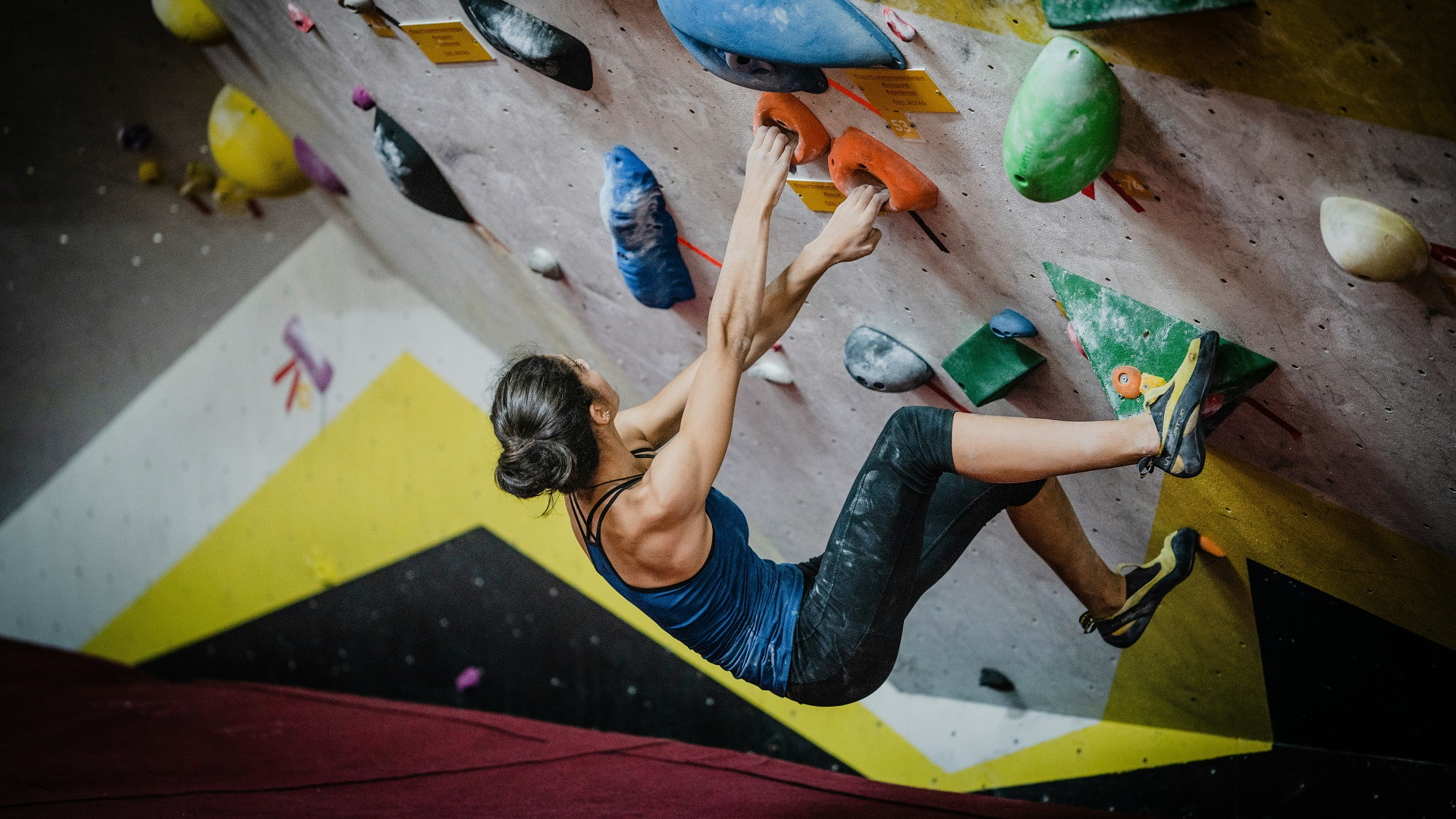
Indoor bouldering

Indoor bouldering offers all the challenges of climbing in a controlled and safe environment. In climbing gyms, you will find walls of varying heights and difficulty levels, with specially designed “problems” that challenge your strength, technique, and creative thinking.

The biggest advantage of indoor bouldering is that you can climb regardless of the weather and practice new techniques without the risks of natural conditions such as wet rock or loose stones. Additionally, it is a social sport: climbers encourage each other, share tips, and celebrate successes together when solving a difficult problem.

Whether you are a beginner discovering the sport or an experienced climber refining your technique, indoor bouldering offers a perfect mix of fun, challenge, and community.

Boulder grades:

Boulder grades are used to indicate the difficulty of a boulder problem. Two commonly used systems are Fontainebleau (Font) and the V-scale (Vscale).

Fontainebleau is popular in Europe, especially in France. The scale ranges from 4 to 9A, with higher numbers indicating greater difficulty. Sub-levels are indicated with letters.

The V-scale is mainly used in the United States and ranges from V0 to V17. Just like Font, a higher number means a more difficult problem.

The highest boulder grade is V17, but currently only 15 people worldwide have climbed at this level. Most climbers climb around V4–V5, and commercial bouldering gyms often offer routes only up to V8–V9.

Difficulty level V-Scale Font-Scale
BeginnerV04
V15
V25+
IntermediateV36a/6a+
V46b/6b+
V56c/6c+
V66c+/7a
AdvancedV77a+
V87b/7b+
V97c
ProfessionalV107c+
V118a
V128a+
V138b+
Elite levelV148b+
V159a
V168c+
V179a

Competition climbing

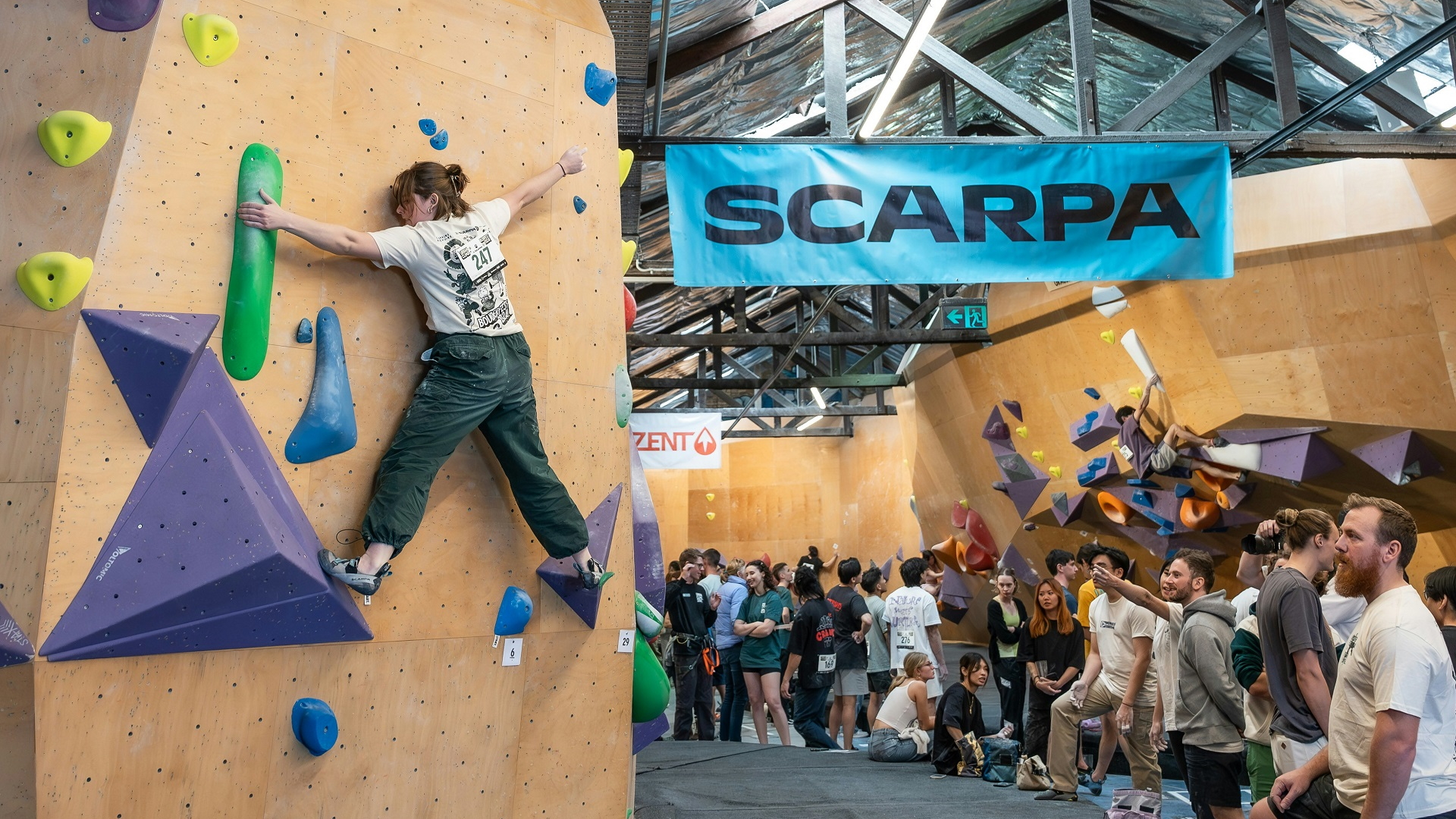
Bouldering has become a popular competitive climbing discipline, both nationally and internationally. In bouldering competitions, the focus is on solving short, technical problems on artificial walls within a limited time. Athletes are judged on the number of problems completed, attempts, and sometimes bonus holds. Competitions range from local events to major international tournaments, such as the IFSC Climbing World Cup.

Since the Tokyo 2020 Olympic Games, bouldering has been part of climbing in a combined discipline with lead and speed. This Olympic format demands versatility: climbers must be fast, strong, and technically skilled. The popularity of competitions has given bouldering a more professional image and encourages the development of new, challenging routes for both recreational and elite climbers.

Competition image

Equipment

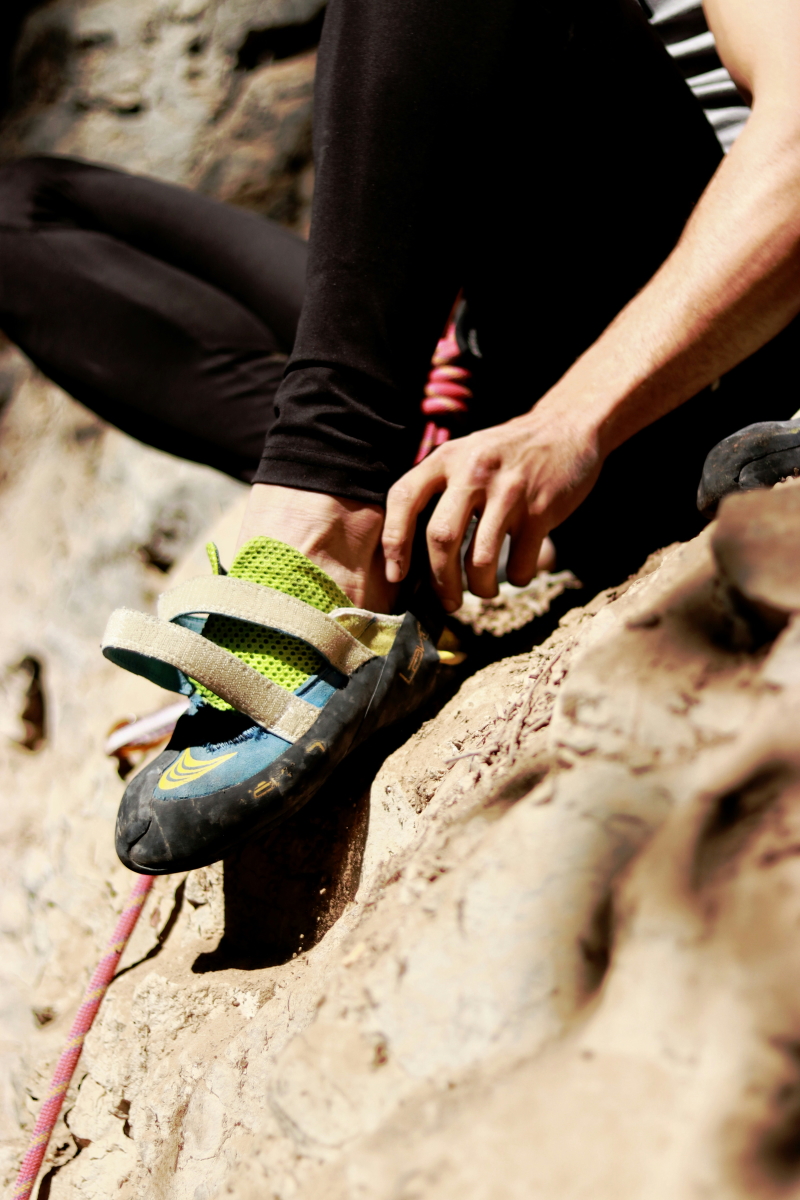
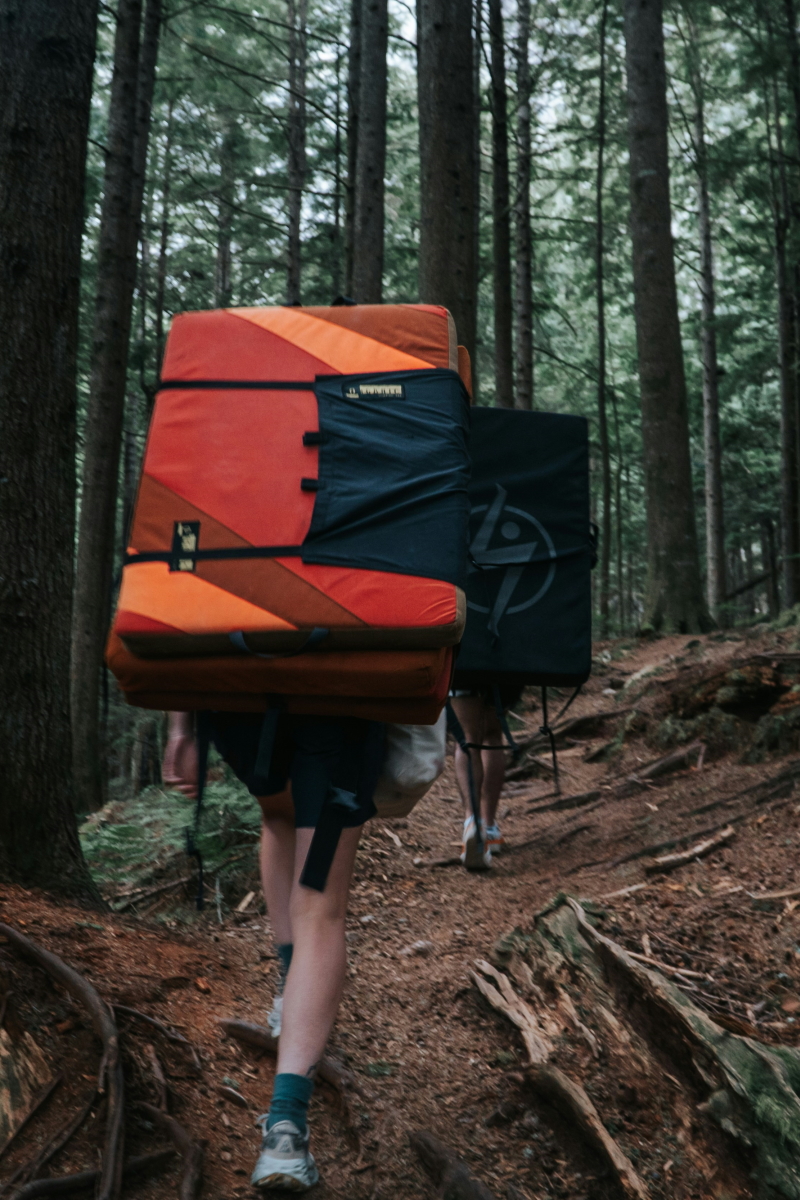
When bouldering, you need very little: sturdy climbing shoes for precision, chalk for dry hands, and a crash pad for safety in case of falls. A brush keeps holds clean, and comfortable, unrestricted clothing makes climbing easier. Optional items include tape for fingers and a backpack for belongings and snacks.

Chalk image
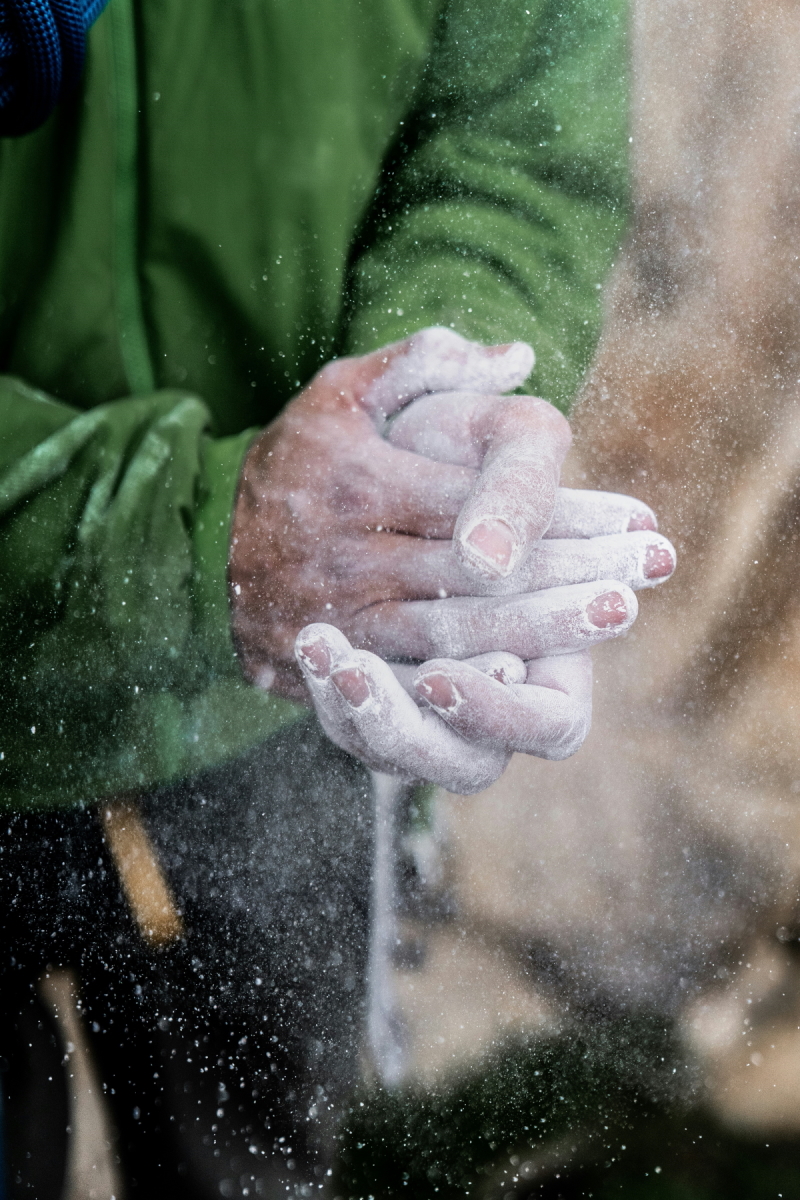
Chalk keeps your hands dry and improves grip on holds.
Chalk bag image
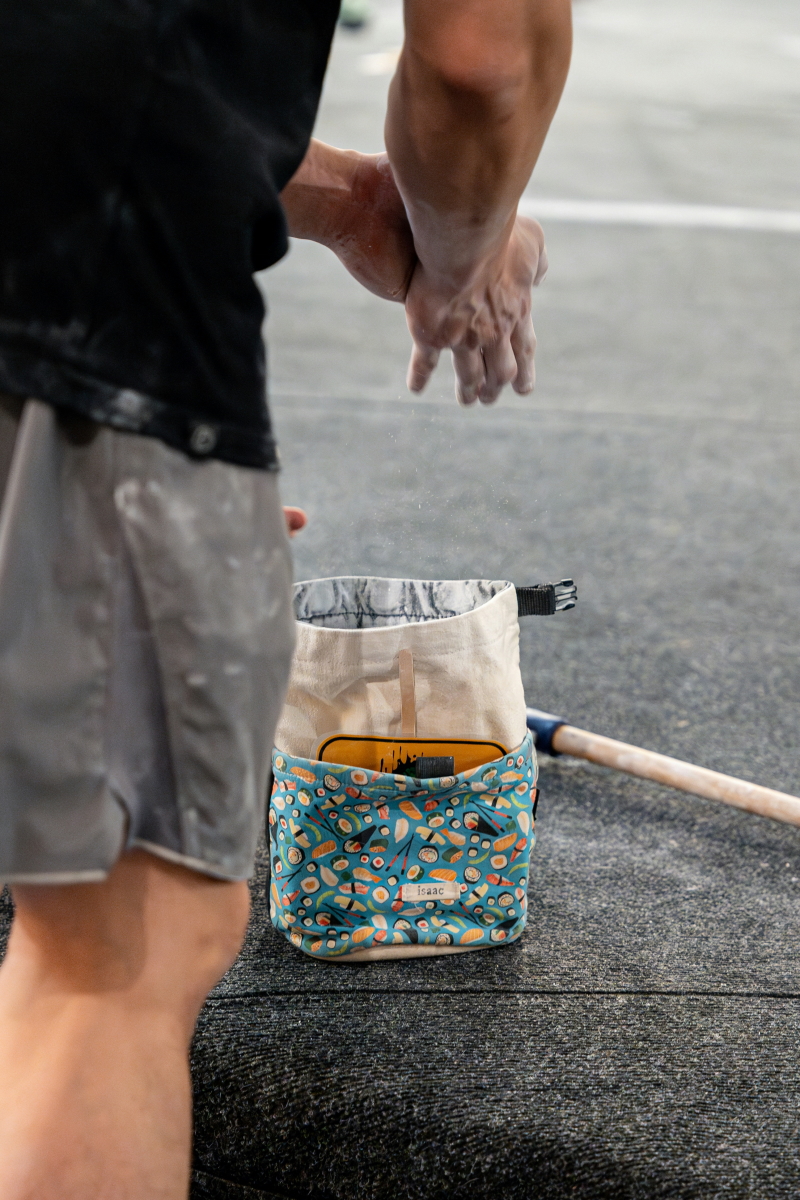
Way to have chalk at hand while climbing.
Climbing shoes image
Tight shoes that provide precision and grip on small holds and edges.
Crash pads image
Crash pads that absorb the impact of a fall, for outdoor bouldering.